
I recently sat down with Paul Hill and Steve Dunn to talk about print and whether it’s still relevant.
Short answer, it is. But a lot of businesses are still getting the basics wrong, which is why they don’t see results.
Print isn’t dead, it’s just competing with more noise
Digital has taken a big share of marketing spend over the last 10–20 years.
But it’s also created a problem, everything is competing for attention on a screen.
Print works because it’s different:
- you can feel it
- you can keep it
- it doesn’t disappear with a scroll
We’re actually seeing more interest again in:
- direct mail
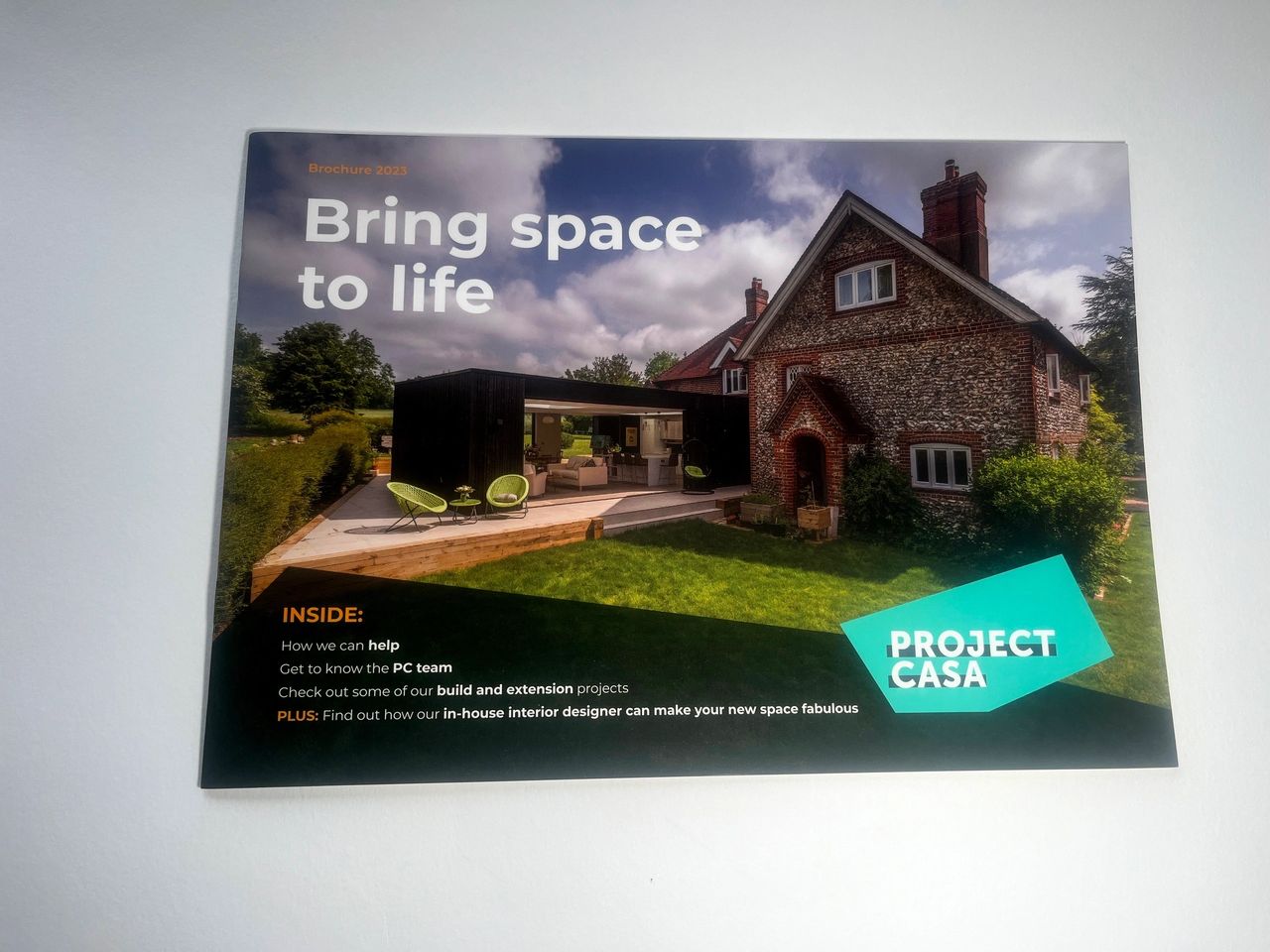
- brochures
- large format and vehicle graphics
People are getting fed up with digital clutter.
Where most print jobs go wrong
This is the bit we see constantly.
Someone designs something in Word, PowerPoint, or exports it badly from Canva… and expects it to print perfectly.
The issues are usually:
- wrong colour space (RGB instead of CMYK)
- no bleed (which leads to white edges when trimmed)
- low resolution images pulled from the internet
That’s why designers use tools like Adobe InDesign or Adobe Illustrator, because they’re built for print.
Most of my time isn’t just “printing”, it’s fixing artwork so it actually works.
Good design is what makes print effective
Steve made a good point, most print fails because it looks like everything else.
If every leaflet is A5, yours just blends in.
The difference comes from:
- format (square, DL, gatefold, concertina)
- finishes (foiling, embossing, spot UV)
- thinking about how it feels, not just how it looks
That’s what makes something stand out and actually get noticed.
Print isn’t one-size-fits-all
There’s still confusion around print methods.
In simple terms:
- Digital print = best for short runs
- Litho print = better value at higher volumes
Use the wrong one and you either overpay or compromise on quality.
The bit most people don’t see, supplier choice
This is where experience really matters.
It’s not just about “getting it printed”, it’s about:
- choosing the right supplier
- matching the job to the right equipment
- making sure the spec is right
Get that wrong, and it costs money.
Get it right, and the savings can be significant.
If it doesn’t deliver results, it’s pointless
This was probably the most important part of the conversation.
It doesn’t matter how good the design is or how well it’s printed…
If it doesn’t generate business, it hasn’t worked.
That’s why tracking matters:
- QR codes
- offer codes
- dedicated landing pages
We’ve seen campaigns where the print has directly driven engagement, donations, and sales, but only because it was thought through properly.
Final thought
Print still works, but only when it’s done properly.
Most problems don’t come from the print itself.
They come from poor artwork, the wrong setup, or treating it as an afterthought.
Get those right, and print becomes a really effective part of your marketing.
If you’ve got artwork you’re not sure about, or a print job coming up, happy to have a quick look and sense check it before it goes to print.